Learn

Your guide to turquoise, geology, provenance, and the stories behind the stones.

Explore the geology, history, and uniqueness behind Cortez Canyon’s luminous lime/mint green turquoise. This is where collectors, jewelers, and curious minds come to understand what makes each stone rare.

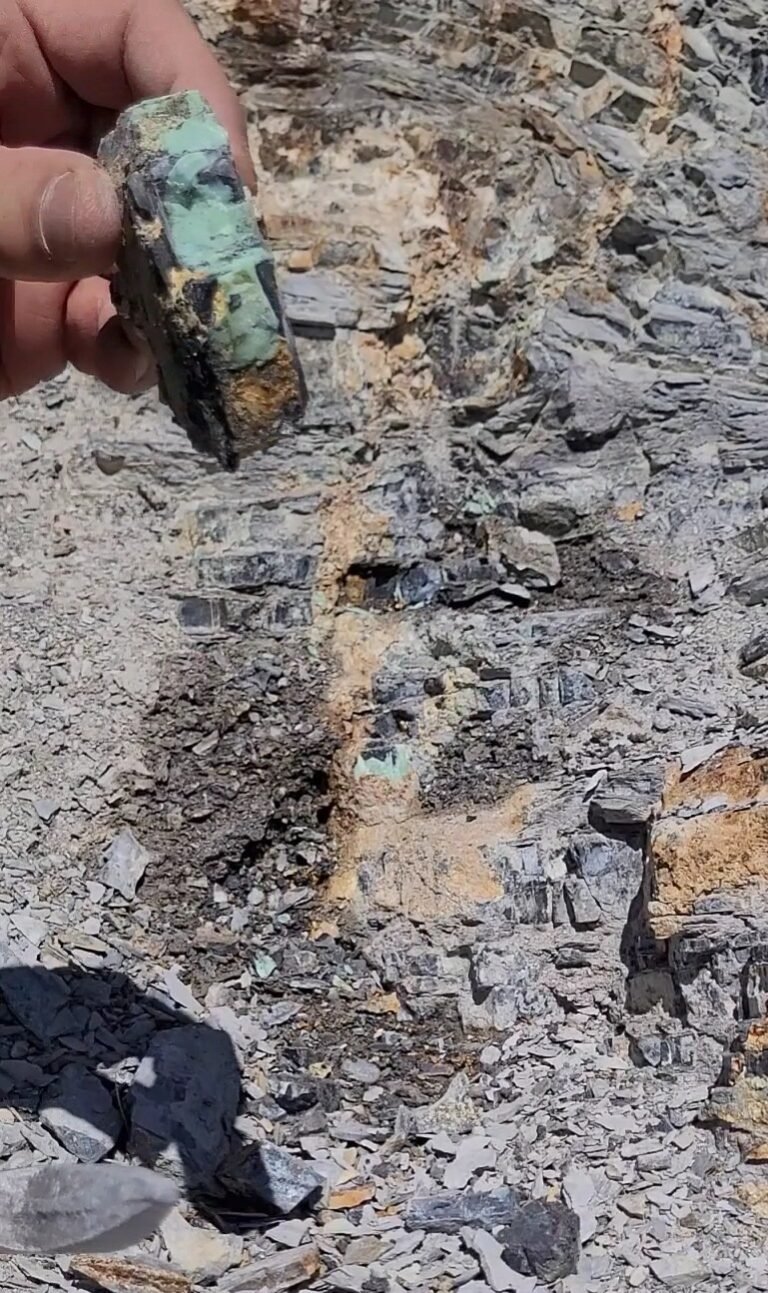
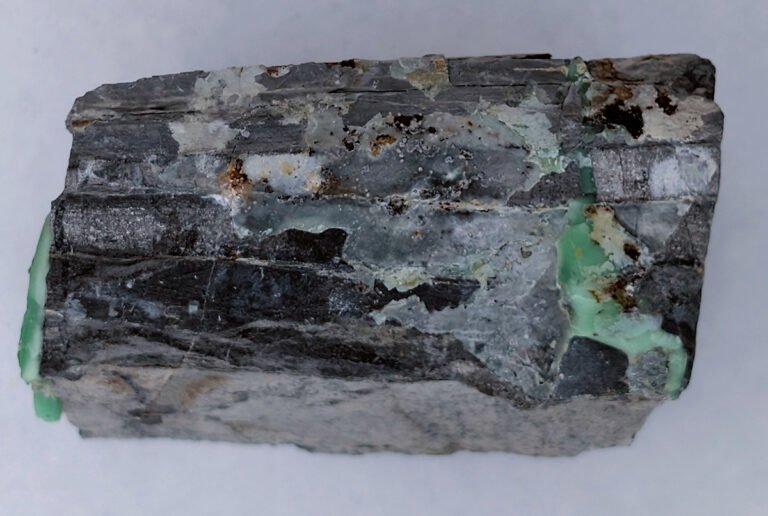
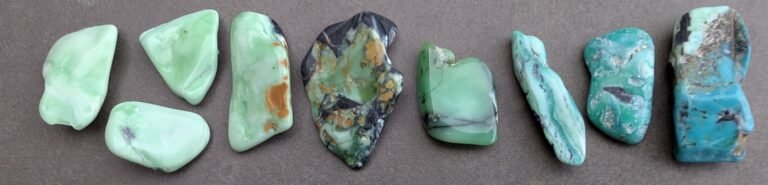
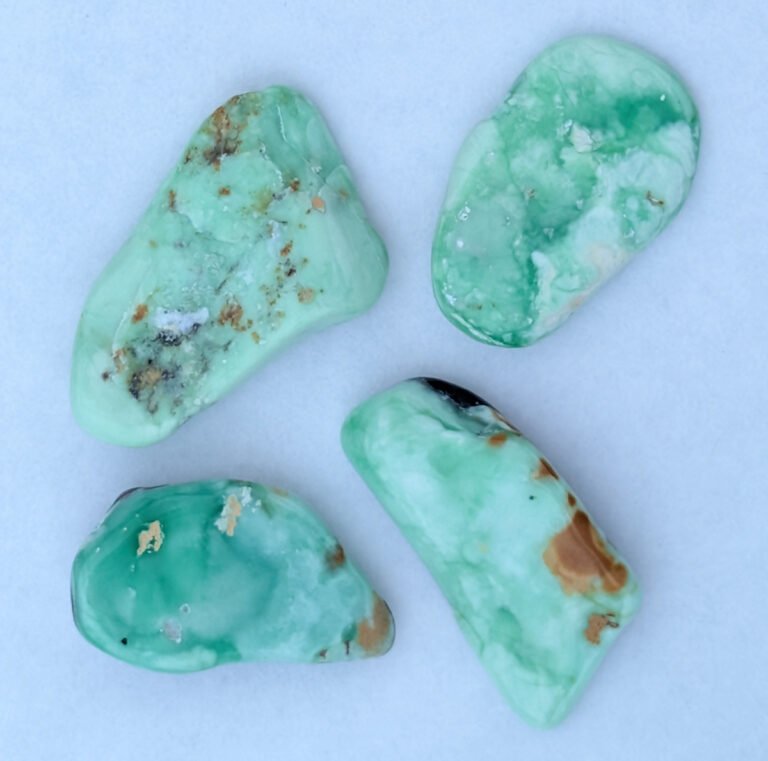
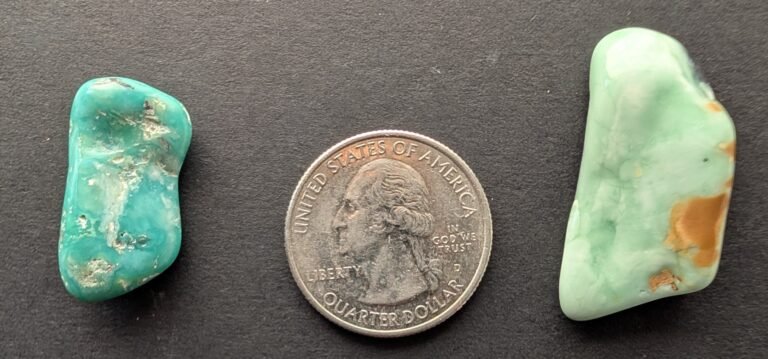
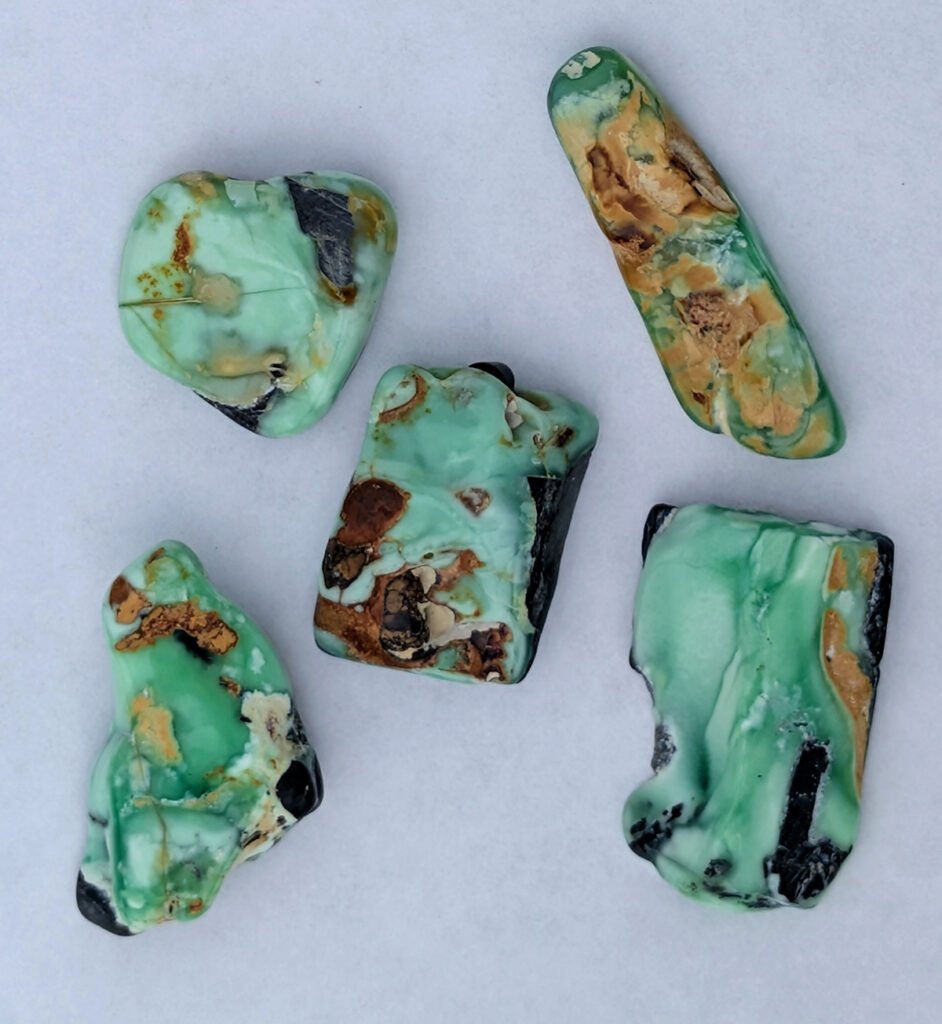
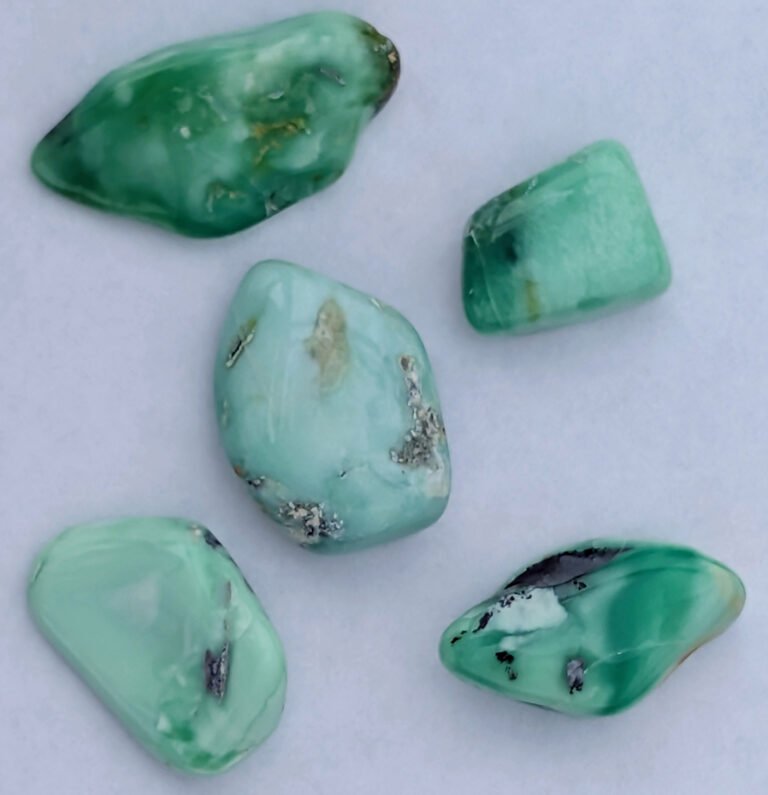
Cortez Canyon turquoise is known for its luminous mint‑to‑lime green color, a hue rarely found in the American Southwest. This distinctive coloration forms deep in the high Nevada desert, where ancient geothermal activity once pushed mineral‑rich hydrothermal fluids through fractured limestone.

As these fluids cooled, they deposited a phosphate blend of copper (blue), iron (green), and zinc (lime) — the exact metal ratios that create our signature green spectrum. Every stone carries a slightly different balance, which is why Cortez Canyon turquoise ranges from soft sage to vivid glassy green.

The Geology Behind the Color

Beneath the canyon floor lies a network of limestone fractures. Over thousands of years, hot fluids threaded through these cracks, leaving behind:

  • Copper → contributes blue tones
  • Iron → shifts the stone toward green
  • Zinc → introduces the rare lime glow
  • Limestone host rock → influences texture and matrix

This combination produces the mint‑green turquoise collectors associate with the historic Orvil Jack lineage — a material prized for its clarity, stability, and unmistakable color.

Why Green Turquoise Is So Rare

Most turquoise deposits form in sandstone or volcanic rock. Cortez Canyon’s limestone‑hosted system is unusual, and the presence of zinc is even more uncommon. Together, they create a color palette that is:

  • Geologically rare
  • Highly collectible
  • Difficult to replicate or stabilize artificially

This is why green turquoise from this region has become a favorite among lapidarists, jewelers, and collectors seeking something outside the typical blue‑dominant market.

Ethical Sourcing & Provenance

Every stone we offer is:

  • Responsibly sourced from small‑scale, low‑impact operations
  • Individually selected for color, texture, and structural integrity
  • Documented with a provenance card detailing its origin and journey

We believe turquoise should carry its story — not just its color.

The Raw Appeal—Why Rough Turquoise is Dominating Organic Jewelry Design

In an era of mass-produced, perfectly uniform jewelry, a new movement is taking hold: Organic Design. Modern artisans are moving ...

Provenance Matters—The Legacy of the Orvil Jack

If you follow the history of American turquoise, one name stands out for its legendary lime-green hues: Orvil Jack. While ...

Beyond the Cabochon: The Rise of Freeform Polished Stones

In a world of mass-produced, calibrated jewelry, the modern collector is looking for something that feels intentional and unique. While ...

Geochemistry & Tectonics: Understanding the Rare Zinc-Rich Turquoise of Nevada

The geologic history of northern Nevada reflects a long sequence of sedimentation, deformation, and later extension that ultimately created ideal ...

The Legend of Orvil Jack: The Neon Treasure of Northern Nevada

In the high desert of Northern Nevada, lies a patch of earth that holds a secret unlike any other in ...

FAQs

Is this turquoise for sale?

Yes. We offer both raw and cut material depending on availability. Please reach out through the contact us form.

Is the turquoise stabilized or treated?

No. Cortez Canyon Turquoise is gem quality and naturally hard and stable.

Where is this turquoise from?

Cortez Canyon Turquoise comes from extensions of the original veins Orvil Jack mined and first brought forward from Nevada’s desert.

Why is this turquoise green and not turquoise blue?

Turquoise coloration at Cortez Canyon results from hydrothermal fluids introducing a phosphate mixture of copper (blue), iron (green), and traces of zinc (lime) into a limestone-hosted fracture system. Precipitation of secondary phosphate minerals under variable metal ratios and host-rock interaction produced the observed mint-to-turquoise spectrum and localized color zoning.

Does it come with provenance or mine attribution?

High-value pieces include a provenance certificate.

What is your return and exchange policy?

We do not accept returns. If you love lime green turquoise, you will not want to part from your treasure!

How do you price turquoise?

Pricing is based on color quality, matrix pattern, size, cut, and rarity.

Scroll to Top